Your groomer books you for the same slot every six weeks, and you assume that rhythm must be right. But a Labrador living in a Sandton apartment and a Golden Retriever hiking Table Mountain trails every weekend do not share the same coat, skin, or maintenance burden. The six-week default is a salon convenience, not a biological rule. Your dog or cat’s actual needs depend on coat architecture, how much they shed, what their skin tolerates, and how much brushing you are willing to do yourself.
Why Coat Type Dictates Everything
Short-coated dogs like Labradors, Boxers, and Jack Russells carry the lowest maintenance load. A weekly once-over with a rubber curry brush or de-shedding glove pulls loose hair and distributes skin oils. During spring and autumn shedding spikes, bump that to two or three times weekly. Bathing stays occasional, maybe monthly, unless they have rolled in something specific. Nail trimming every two to four weeks is non-negotiable, since suburban pavements rarely wear claws down naturally. Ear checks should happen weekly, using vet-approved cleaner only when you see wax or dirt buildup.
Double-coated breeds present a different proposition. Their undercoat sheds in dramatic seasonal dumps. Without regular brushing, that dead hair tangles into the guard coat and forms dense mats. A slicker brush and undercoat rake become essential tools. Bathing too frequently strips the natural oils that protect both layers, so less is more. These dogs rarely need the full clip-and-style treatment, but they absolutely need structured de-shedding sessions, particularly before summer heat sets in.
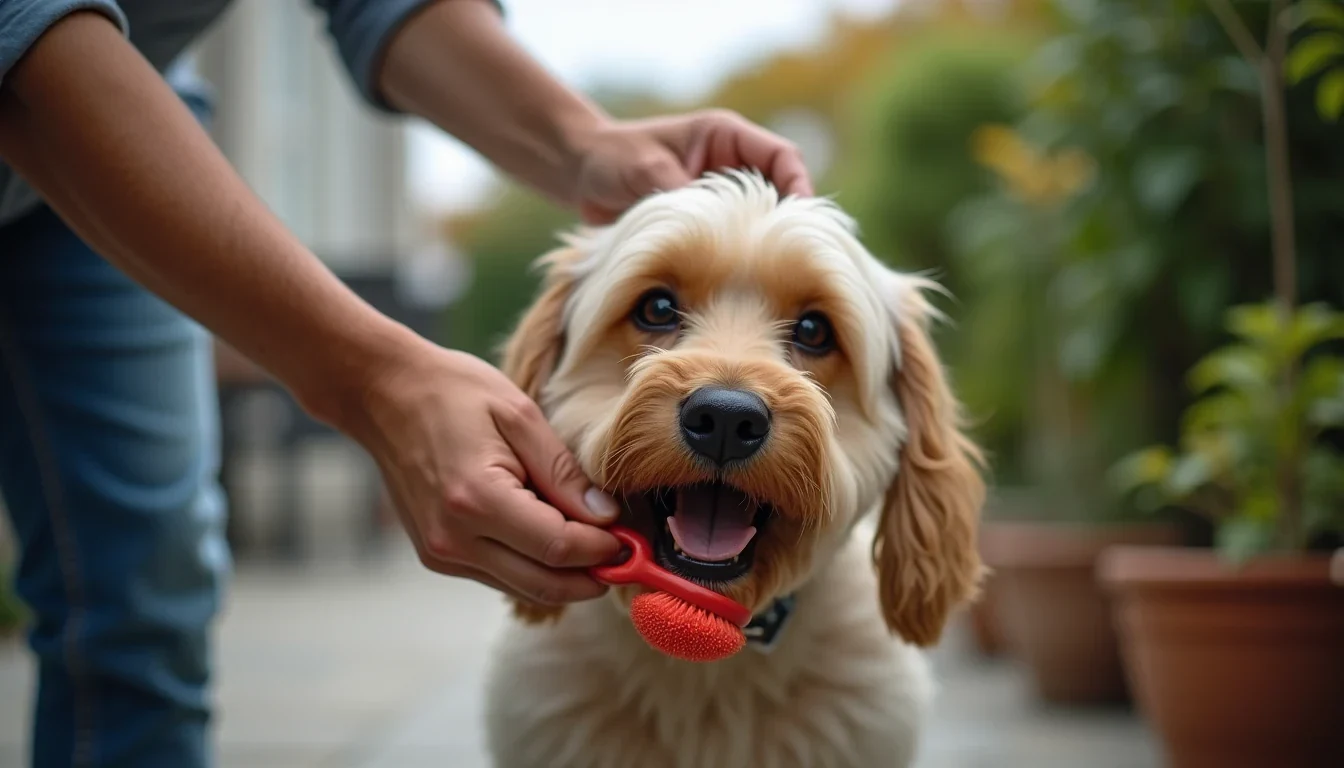
Curly-coated dogs, Poodles and their crosses included, have hair that grows continuously and tangles aggressively without intervention. Brushing every second day prevents matting that can pull skin and create infection risks. Professional grooming moves from optional to essential here, typically every four to six weeks. Home clipping with supermarket equipment usually produces uneven results and stressed animals.
Long-haired cats operate on similar logic. Their fine, dense coats mat at friction points: under the collar, behind the ears, along the flanks. Daily combing with a fine-tooth metal comb prevents the kind of pelting that requires sedation and full shave-downs at the vet.
Building Your Maintenance Calendar
A useful calendar separates what you handle at home from what requires professional equipment and restraint skills.
Home tasks to anchor weekly: brushing appropriate to coat type, visual ear inspection, tooth brushing if you have trained acceptance, and a quick paw check for cracked pads or overgrown fur between toes.
Home tasks on a rotating basis: nail trimming every two to four weeks depending on growth rate and walking surfaces, and bathing when the coat is actually dirty or odorous rather than on a rigid schedule.
Professional services to book deliberately: full grooms for curly or continuously growing coats every four to six weeks, de-shedding treatments for double-coated breeds during seasonal transitions, and mat removal before it becomes a veterinary sedation case.
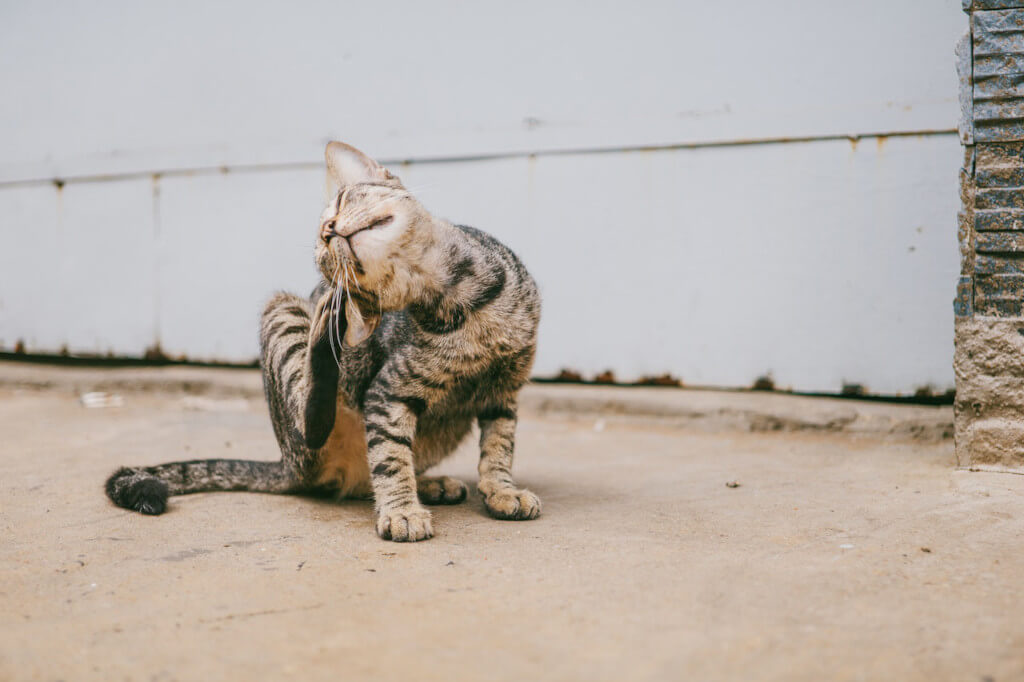
Skin condition should override every schedule. Animals with allergies, seborrhoea, or recurrent infections need veterinary-directed bathing protocols with medicated shampoos, sometimes twice weekly during flare-ups. A standard groomer’s assessment will miss underlying pathology. Persistent redness, odour, or scratching warrants a vet visit before any cosmetic work.
What Professional Grooming Costs in South Africa
Prices vary by city, coat condition, and whether you use a mobile service or salon. For budgeting purposes, expect full grooms for small dogs to start around R350-R450, medium dogs R450-R650, and large or heavily matted dogs R650-R900 or more. Cats typically cost R400-R700, with sedation grooms at veterinary practices running higher.
Annual professional grooming for a Poodle or similar, at six-week intervals, lands between R3,000 and R5,200 depending on size and location. A Labrador might need only two or three professional sessions yearly, perhaps R800-R1,500 total, with home equipment costs of roughly R600-R1,000 for brushes, nail clippers, and shampoo. Factor in replacement blades, worn brushes, and the occasional emergency mat removal. Most dog owners should budget R1,500-R6,000 annually depending on breed and diligence.
The Shaving Myth That Refuses to Die
Every summer, someone suggests shaving a Husky or Malamute to help them cool down. This is actively harmful. The double coat insulates against heat as well as cold. Shaved guard hairs often grow back altered, patchy, or not at all. The undercoat can overgrow, leaving the dog with a dense, heat-trapping layer and no protective outer shell. Sunburn risk spikes where pink skin meets direct UV. Cooling happens through panting and vasodilation in the extremities, not through skin exposure. If your double-coated dog struggles in heat, provide shade, water, and exercise timing adjustments, never clippers.
When to Escalate Beyond Grooming
Persistent scratching, odour that returns within days of bathing, hair loss in patches, or skin thickening and darkening all signal dermatological disease, not hygiene failure. A groomer can spot these signs but cannot diagnose or treat them. Similarly, behavioral deterioration during grooming (aggression, panic, or complete freezing) may indicate pain, early cognitive dysfunction, or previous traumatic handling. Stop the session and consult your vet rather than pushing through.
The right schedule keeps your specific animal’s coat functional, skin healthy, and stress levels manageable. Start with coat type, adjust for lifestyle and medical reality, and resist the convenience of a universal appointment rhythm that serves the salon better than the pet.