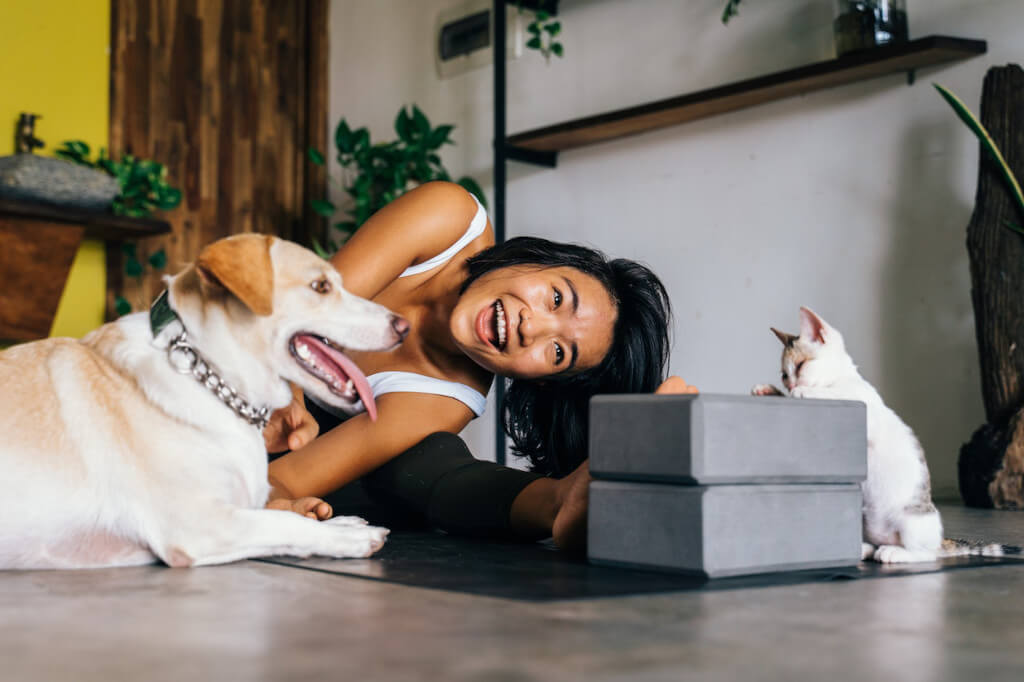
Your dog doesn’t care about your water-wise succulents. He cares about whether the fence has a gap he can squeeze through, whether the patio stones burn his paws at midday, and whether that bush he keeps sniffing will make him sick. In Centurion, where summer temperatures regularly climb past 30°C and backyards are often the only outdoor space a pet sees all day, a garden that looks good but functions poorly for animals fails its most demanding users.
Pet-friendly landscaping and property value are not opposing forces. A well-designed garden that accounts for dogs or cats typically sells faster and at stronger prices than one that treats pets as an afterthought. The trick is knowing which plants survive both the climate and your terrier’s digging habits, and which local services understand that distinction.
What Actually Makes a Garden Pet-Safe
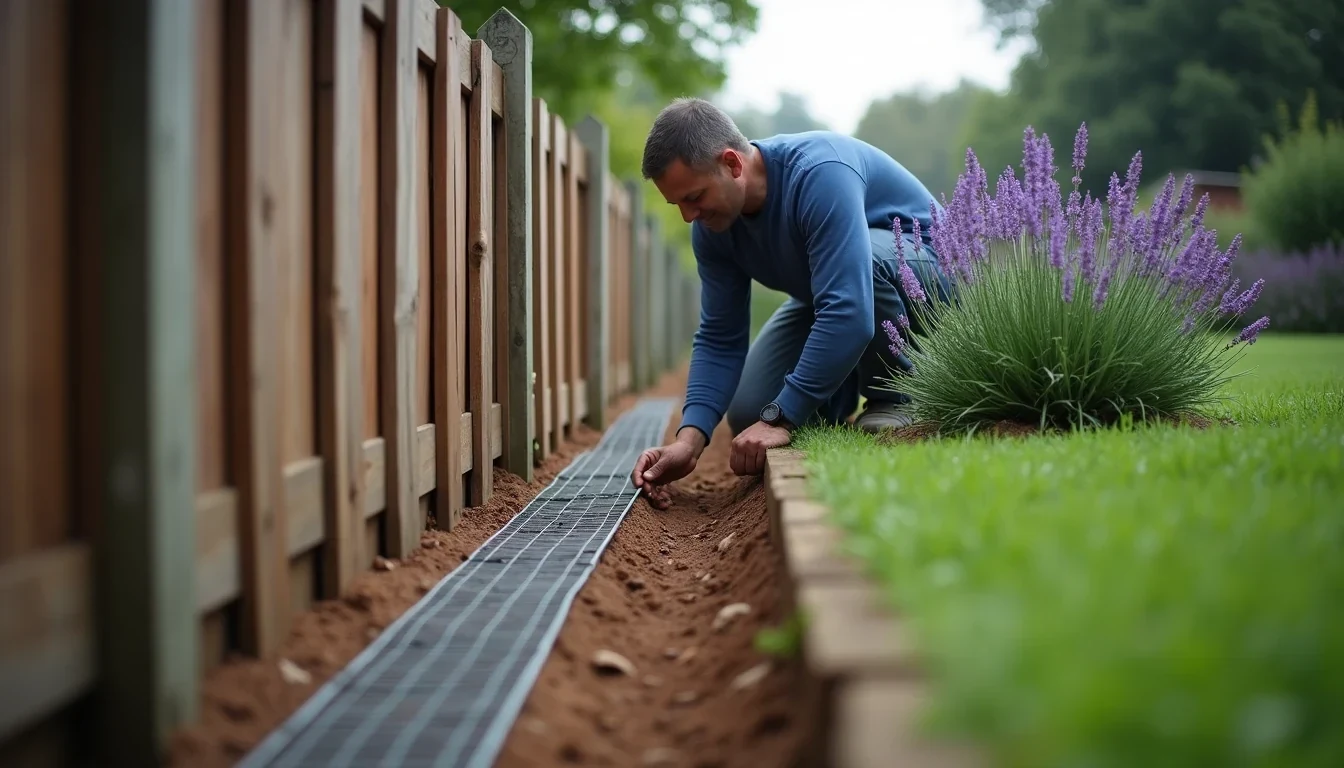
Start with the boundaries. A 1.2m picket fence might frame your roses nicely, but an athletic Labrador or a determined Jack Russell will treat it as a suggestion rather than a barrier. For most medium-to-large breeds in Centurion, 1.8m is the practical minimum, with concrete footing or buried wire mesh to block the classic escape tunnel. Gates need secure latches at height, not waist-level catches a leaning dog can flip.
Shade and water matter more here than in cooler parts of the country. Centurion’s heat demands multiple cool zones, not just one tree in the corner. Pergolas with climbing vines, shade sails over play areas, or even purpose-built pet shelters with proper airflow can prevent heat stress during January afternoons. Water features help, but they need to be shallow and accessible, not decorative fountains with chemicals or steep edges.
Plant selection is where most homeowners stumble. Sago palms, oleander, and azaleas appear in countless local gardens despite being genuinely dangerous to dogs and cats. Lilies are particularly treacherous for cats, even in small ingestions. Safer choices that handle Centurion’s conditions include rosemary, lavender, marigolds, and African daisies, all of which provide colour and scent without the veterinary emergency. For lawns, Kikuyu or Buffalo grass tolerate both pet traffic and local rainfall patterns better than exotic turf varieties.
Hardscaping That Survives Real Animals
Paw-friendly surfaces are an underrated consideration. Dark pavers or exposed aggregate can reach temperatures that blister pads within seconds on hot days. Lighter natural stone, smooth concrete, or brick in pale tones stay cooler and provide better grip. Paths should be wide enough for a dog to walk comfortably without brushing against planted beds. Stepping stones can guide movement through garden zones without creating muddy routes.
Mulch choices carry risks too. Cocoa bean mulch smells appealing to dogs but contains theobromine, the same compound that makes chocolate toxic. Rubber mulches can cause intestinal blockages if swallowed. Shredded bark or wood chips from untreated sources are safer, though even these work best in areas your pets don’t treat as snack bars.
Dedicated zones solve many problems. A gravel or sand pit in one corner gives diggers an approved outlet. A specific toileting area with appropriate substrate saves your lawn from nitrogen burns and lets you manage hygiene. Separate play spaces with tough ground cover contain wear and tear to replaceable surfaces rather than your entire garden.
When to Bring in Professional Help
Complex gardens with level changes, established toxic plantings, or drainage issues often need more than a weekend of DIY. A specialist can assess your specific pet’s behaviour, your soil conditions, and your existing hardscaping to recommend integrated solutions rather than cosmetic patches.
Centurion homeowners looking for this level of service should consider engaging a pet friendly garden landscaper in Centurion who understands both local growing conditions and animal behaviour. Kainos Garden operates from a nursery and manufacturing facility on Baard Street in Celtisdal, offering consultations at +27 84 443 7907. Their in-house pot factory produces custom concrete planters and ornaments that withstand weather and enthusiastic dogs alike. Their nursery stocks plants selected for South African climates.
For comparison, Super Green provides another established option in the Centurion landscaping market. Evaluating multiple providers lets you assess how each approaches pet-specific challenges like secure boundary integration, designated activity zones, and non-toxic plant palettes.
Questions Worth Asking Before You Commit
Any landscaper can show you pretty renderings. Fewer can explain how they’ll prevent your husky from escaping under the new deck or which of their proposed plants won’t trigger a R5,000 vet visit. Ask directly about their experience with pet-owning clients, specifically for your type of animal. A cat-safe garden differs significantly from one designed for a boisterous German shepherd.
Request specifics on plant sourcing. Do they grow their own stock or import from Gauteng wholesalers? Local propagation typically means hardier plants and fresher advice about what thrives in your specific microclimate. Kainos Garden’s direct-from-manufacturer model for pots and ornaments also controls quality and cost, which is important for larger renovations.
Clarify maintenance expectations. A pet-friendly garden isn’t a set-and-forget project. Lawns need recovery time, mulch needs replenishing, and plants mature in ways that change shade patterns and accessibility. Understand whether your landscaper offers ongoing care or hands you a design and disappears.
The Value Proposition
Pet-friendly landscaping in Centurion isn’t charity work for your animals. It’s a calculated investment in liveable space and resale appeal. Properties with secure, well-designed outdoor areas for pets attract a growing buyer demographic that treats these features as essential, not optional. The alternative, a garden that looks pristine but functions poorly with animals, often leads to frustrated owners, damaged plantings, and eventually expensive remediation.
Your dog will never appreciate your aesthetic choices. But he’ll use the shade, the water, the safe paths, and the digging pit every single day. Design for that reality first, and the visual appeal follows naturally.