
You have booked the cottage, packed the collapsible water bowl, and told your dog a road trip is coming. Then you arrive to find the “pet-friendly” garden ends at a low wire fence your terrier could clear in one bounce, or that the owner meant one quiet cat, not your two Labradors. In South Africa, the paw icon on a booking site is not a promise. It is a starting point for a conversation you still need to have.
What the Paw Icon Actually Means
Online filters treat pet policy as binary. The icon appears, you assume your dog is welcome, and you stop looking. The reality is a spectrum. Some properties offer fully enclosed gardens with space for large breeds to roam. Others accept one small animal under 10 kg, charge extra, and ban pets from furniture, bedrooms, and any shared area. Cats are often excluded entirely even when the listing says “pets allowed.” The icon tells you the owner once considered an animal on the premises, but it tells you nothing about which animal, under what conditions, or at what cost.
Before you pay a deposit, ask directly about species, size, and number limits. Confirm whether your specific breed is permitted, since some guesthouses and estates with particular insurance policies reject so-called power breeds regardless of individual temperament. If you are travelling with a puppy or kitten, check for age restrictions tied to house-training concerns. Ask whether indoor access is allowed or if your pet is confined to outdoor areas only. A Jack Russell at 7 kg might pass where a Border Collie at 18 kg does not. The only way to know is to ask in writing.
Checking the Property Itself
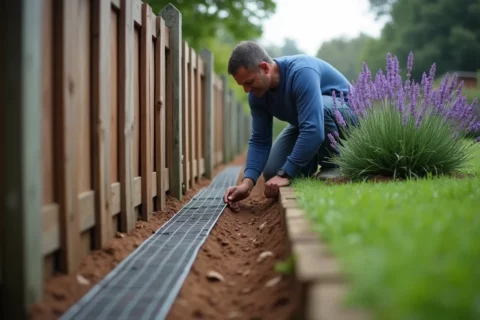
The physical setup of the accommodation matters as much as the policy. An unfenced garden or a gate with a gap wide enough for a determined dachshund turns a relaxing break into a vigil. Ask for fence height and completeness. A 1.2-metre boundary might contain a Pomeranian but not an athletic Ridgeback. Look for photos that show the full perimeter, not just the attractive patio angle.
Find out whether the property has resident animals. A free-roaming host dog with guarding instincts changes the dynamic for a nervous guest pet. Chickens, horses, or farm cats present their own risks and distractions. Ask how interactions are managed and whether resident animals are confined during guest stays.
Clarify rules for shared spaces. Pools, dining areas, lounges, and reception zones may be off-limits to pets even where they are technically permitted on site. Some properties provide designated relief areas and waste bags. Others expect you to handle everything yourself. Know before you arrive which scenario you are paying for.
The Real Cost of Bringing Your Pet
Pet-friendly stays in South Africa carry financial baggage that standard listings rarely display upfront. Non-refundable cleaning fees typically run from R150 to R500 per booking, sometimes scaling with stay length or pet count. Refundable damage deposits range from R500 past R2,000, held against scratches, soiling, or destroyed garden beds. Per-pet, per-night surcharges between R50 and R150 add up fast across a long weekend. Some places charge for amenities like pet beds or bowls that others include free.
Ask for a full cost breakdown before committing. Confirm whether cleaning fees apply per pet or per booking. Understand the damage deposit refund conditions and timeline. Check whether you are liable for costs exceeding the deposit if your dog redecorates the lounge. The total price of a pet-friendly break can double the headline rate once these items stack on.
Why Written Confirmation Beats a Verbal “Sure”
A host who says “bring him along” on the phone has not agreed to anything enforceable. Written approval via email or platform messaging creates a record that protects both sides and prevents the dreaded arrival-day reversal. Your confirmation should name your specific pet by species, breed, and approximate weight. It should state the number of animals approved, list all fees and deposits, and detail rules about designated areas, leash requirements on the property, and furniture access.
If you book through Airbnb, Booking.com, or similar, keep all pet-related discussion inside the platform’s messaging system. External emails or WhatsApp chats lack the same traceability if a dispute arises. A dated message from a named contact person beats a friendly voice on the phone every time.
Local Logistics Worth Mapping Before You Leave
Pet-friendly travel extends past the accommodation gate. Identify the nearest 24-hour veterinary clinic to your destination and save its emergency number before you need it. Poisoning, snakebite, or sudden illness do not wait for business hours.
Research local leash laws for beaches, parks, and nature reserves. Many Western Cape beaches enforce strict leash policies, especially in peak season, with fines for non-compliance. Plan your activities around genuinely pet-welcoming attractions rather than assuming access. Locate the nearest pet supply store or supermarket that stocks your brand of food, since running out in an unfamiliar town is not the time to discover your dog rejects the local alternative.
Your Pre-Booking Checklist
- Confirm species, breed, size, and number restrictions in writing
- Verify fence height, completeness, and garden security
- Ask about resident animals and how they interact with guests
- Clarify indoor access, furniture rules, and shared area restrictions
- Request full fee disclosure including cleaning, deposits, and nightly surcharges
- Obtain written approval through a traceable messaging system
- Locate the nearest 24-hour vet and save emergency contact details
- Check local leash laws and pet-friendly activity options for your destination
The paw icon got you to the listing. Your own diligence gets you a stay that actually works for you and your dog.