Your dog does not limp for no reason. When nails grow past the pad, every step drives the nail back into the nail bed, and the animal compensates by shifting weight onto its hocks, hips, and spine. The pain is chronic, silent, and entirely preventable. Many owners in South Africa put off trimming for months, sometimes years, because they cannot see the quick in a dark nail, and the fear of drawing blood freezes them in place. That hesitation only deepens the problem. Longer nails mean a longer quick, which means more risk, and that means more hesitation. Breaking this cycle requires either a steady desensitisation plan at home or the humility to hand the job to someone who does it daily.
Why Overgrown Nails Damage More Than Just the Paw
A nail that touches the ground with every step acts like a lever, forcing the toe upward and pressing the nail bed against bone. Over weeks, this alters how the animal distributes weight across its joints. The gait becomes stiff, the stance narrows, and the spine absorbs torque it was never meant to carry. Dogs with chronically overgrown nails frequently present with secondary arthritis in the hips and stifles because their feet have been misaligned for years.
The damage escalates. Nails left untrimmed can curl under and puncture the paw pad, creating a wound that admits bacteria with every outdoor walk. Split or torn nails expose the quick, producing acute pain and a direct route for infection. Cats suffer similarly, though they are better at hiding it. A cat that stops jumping onto windowsills or avoids tile floors may be responding to nail bed pressure rather than general ageing.
The Dark Nail Dilemma and How to Work Around It
The quick, that pink vein running through the nail, is invisible in black or deeply pigmented nails. One bad cut and the animal yelps, bleeds, and remembers. So does the owner. This single traumatic moment often becomes the reason a pet goes years without proper nail care.
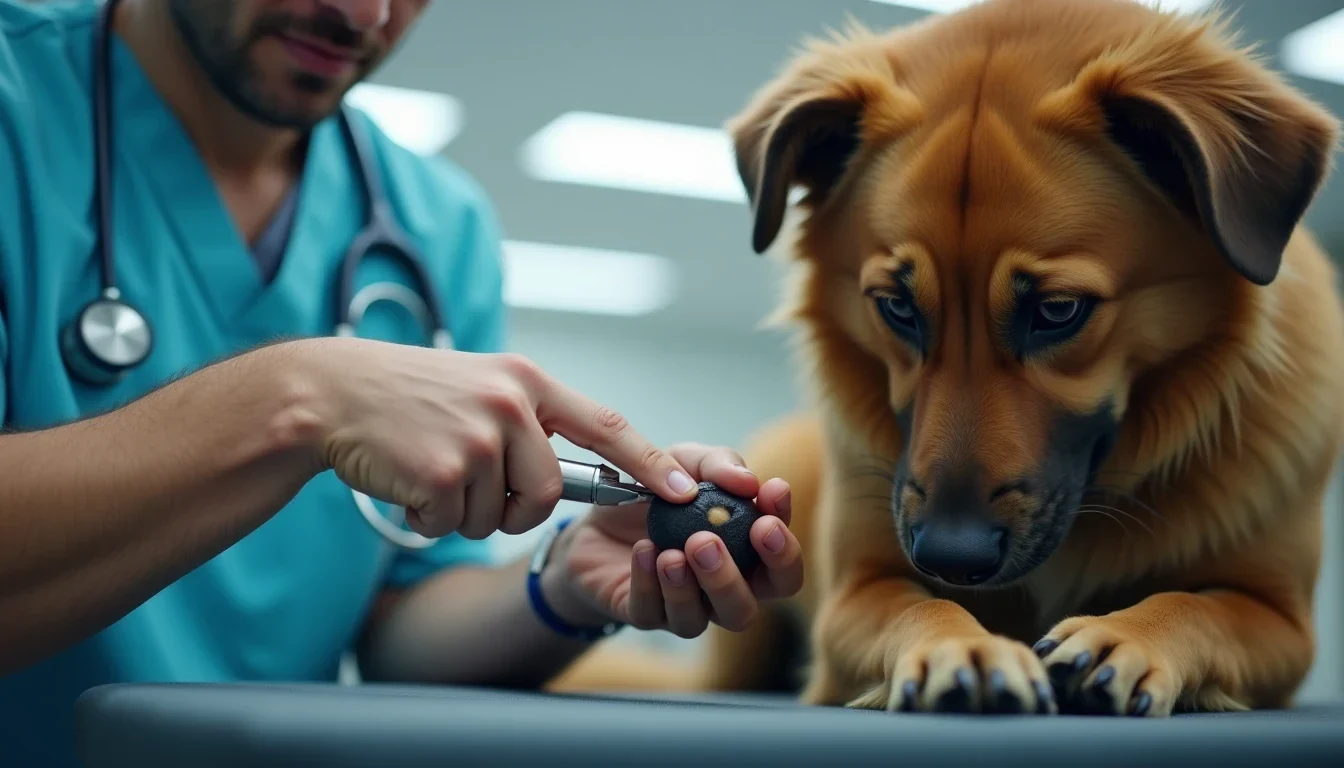
Professionals manage dark nails by trimming in tiny increments, checking the cut surface for a dark dot at the centre that signals the quick is near. They also use a Dremel or filing tool to remove material gradually, generating heat that causes the animal to pull back before the quick is breached. This technique is learnable, but it requires a calm animal, proper lighting, and a steady hand. If you do not have all three, you are gambling with your pet’s trust.
Building Tolerance Through Gradual Handling
Desensitisation works, but it demands patience measured in weeks, not days. Start with no tools at all. Touch your pet’s paws during relaxed moments on the couch, pairing each contact with a high-value reward such as cheese or cooked chicken. Progress to holding individual toes, then to pressing the nail gently between your fingers. Only when the animal remains relaxed through this entire chain do you introduce the clipper or file as a neutral object to sniff and investigate.
Simulate the sound of the tool without touching the nail. Click the clippers empty. Run the Dremel in another room, gradually moving closer across multiple sessions. When you finally attempt a trim, remove mere slivers, one or two nails per session, and quit before the animal shows stress. The goal is not efficiency. The goal is an animal that does not panic when the tool appears.
When Professional Help Becomes the Better Choice
Certain situations make the groomer or vet the only responsible option. A pet that growls, snaps, or shuts down completely during handling is communicating clearly that home care cannot fix this safely. The same applies to a nail that has already curled into the pad, or one accompanied by swelling, pus, or persistent licking. These conditions need veterinary assessment, possible antibiotics, and pain management before any trimming occurs.
Groomers across South Africa offer walk-in nail services, typically charging between R80 and R250 depending on the animal’s size and temperament. Many prefer a Dremel finish, which smooths edges and can encourage the quick to recede over repeated visits. For severely overgrown nails, professionals may schedule multiple sessions two to three weeks apart, trimming conservatively each time to allow the quick to withdraw gradually.
Veterinarians become necessary when sedation is required. Animals with extreme anxiety, past trauma, or concurrent medical conditions such as arthritis or neurological disease may need chemical restraint for safe handling. Vets can also address ingrown nails, debride infected tissue, and advise on long-term quick recession strategies.
The Cost of Force at Home
Restraining an animal by force, pinning it down, or enlisting multiple family members to hold it still does not produce a trimmed nail. It produces a traumatised animal. The physiological response, elevated cortisol, rapid heartbeat, learned helplessness, creates an association between the owner, the tool, and terror that generalises to vet visits, grooming appointments, and even casual handling.
Animals subjected to forced trims often escalate over time, progressing from avoidance to defensive aggression. What begins as a nervous pull-away becomes a bite that requires muzzling for every future procedure. The owner who insisted on “getting it done” has made every subsequent interaction harder, more expensive, and more dangerous for everyone involved.
Warning Signs That Demand Immediate Attention
Some nail problems cannot wait for a convenient appointment. Seek same-day veterinary care if you observe any of the following: active bleeding from a nail that will not stop with pressure; a nail torn or split to the quick; swelling, redness, or discharge around the nail bed; a nail visibly embedded in the paw pad; or sudden lameness accompanied by vocalisation or refusal to bear weight. These signs indicate pain and infection risk that home care cannot address.
Choosing Your Approach
Assess your animal honestly. A relaxed dog with pale nails and a steady temperament may do well with gradual home desensitisation. An anxious cat with black nails and a history of shelter trauma probably needs a professional. The money spent on a groomer or vet is not a failure of ownership. It is a recognition that your pet’s physical comfort and emotional trust matter more than your pride in doing everything yourself.
Regular maintenance, whether at home or professionally, prevents the silent deterioration that overgrown nails inflict. The quick recedes with consistent care. The joints remain aligned. The animal walks without pain. These are modest goals, but they define the difference between an animal that survives and one that thrives.