
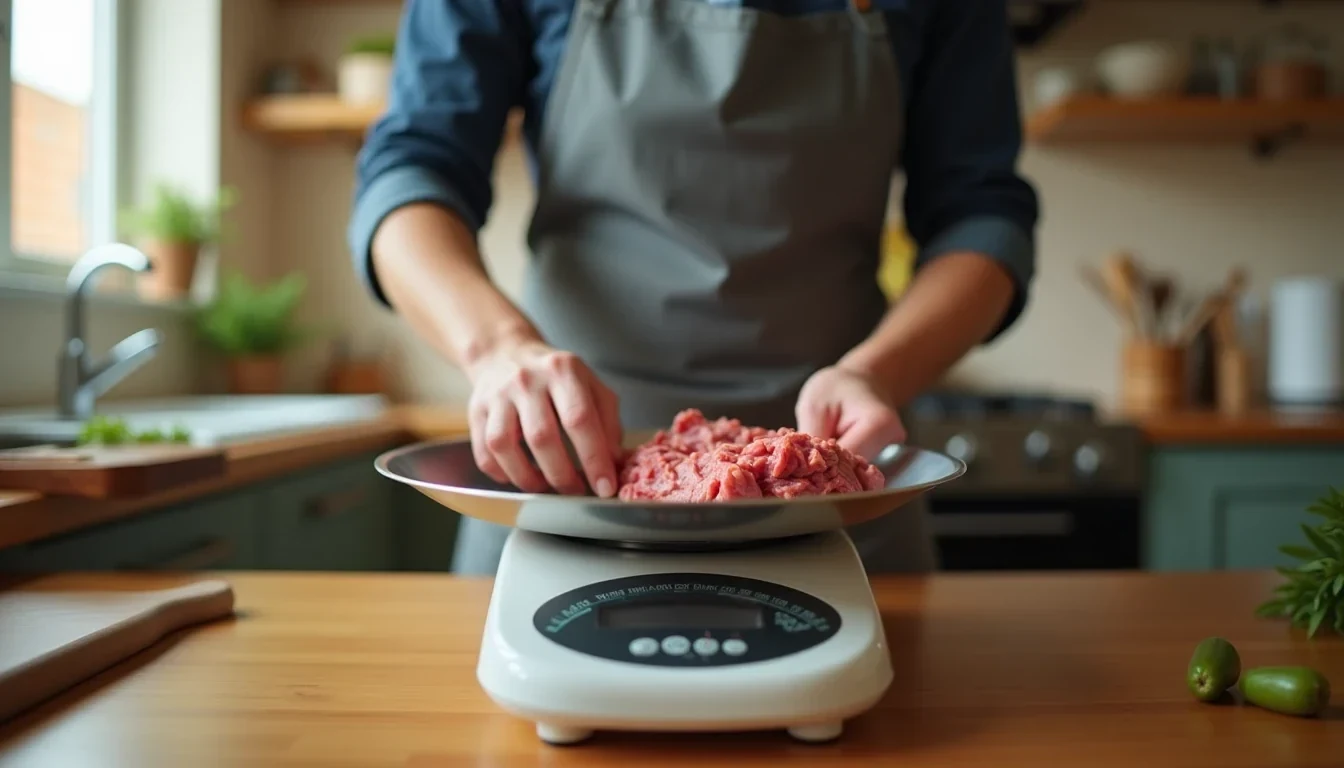
Your butcher probably feeds better than your dog does. That minced beef you grab for Friday night boerewors comes from a regulated cold chain, with inspection stamps and batch codes. The frozen raw pet food in the back of your vet’s fridge, the one with the hand-written label, demands more trust than you might realize.
Raw feeding has moved from fringe to mainstream in South African pet circles. Owners switch for sensible reasons: shorter ingredient lists, less processing, and a feeling of control over what goes into the bowl. These motives are valid. However, “raw” covers three wildly different approaches, and only one reliably keeps your dog or cat alive and well over the years.
What “raw” actually means
Commercial complete raw products sit at one end. Veterinary nutritionists formulate these to meet AAFCO or FEDIAF standards for specific life stages, including ground bone, organ meat, supplemental vitamins and minerals, and sometimes vegetables or fruit. Reputable manufacturers run batch testing for nutritional consistency and pathogen screening. They should also have HACCP or ISO 22000 certification covering their cold chain from abattoir to freezer.
Improvised meat-only feeding sits at the opposite extreme, and most raw-fed pets fall into this category. Owners use muscle meat from the supermarket, perhaps a chicken carcass when the price drops, but no organs, bone meal, or supplementation. This approach almost always inverts the calcium-to-phosphorus ratio, flooding the diet with phosphorus and starving growing animals of the calcium needed for bone formation. Secondary hyperparathyroidism, skeletal deformities, and irreversible dental and joint damage follow. Adult dogs fare better but still run deficits in Vitamin D, Vitamin E, iodine, zinc, and B vitamins, while potentially overdosing on Vitamin A from excessive liver.
Properly formulated home-prepared diets occupy the narrow middle ground. A board-certified veterinary nutritionist designs the recipe, specifies exact ingredient weights and preparation methods, and prescribes supplements to fill gaps. The owner then executes the plan. These diets can work nutritionally but demand rigid adherence and significant time. The bacterial risks remain identical to any other raw approach.
The contamination problem nobody likes discussing
Raw meat routinely carries Salmonella, Escherichia coli O157:H7, Listeria monocytogenes, and Clostridium perfringens. Pets eating contaminated food may vomit, suffer diarrhoea, or show no symptoms at all while shedding bacteria in faeces and saliva for days or weeks. The asymptomatic carrier state makes this genuinely dangerous.
Children under five, elderly household members, pregnant women, and anyone immunocompromised face severe illness from exposure. The CDC and WHO both advise against raw pet food in households with vulnerable people. Contamination spreads through direct contact with pets, contact with faeces, shared food preparation surfaces, utensils, and even airborne particles from cleaning bowls. Room-temperature thawing, a common shortcut, accelerates bacterial multiplication dramatically.
Bone hazards beyond the obvious
Raw bones fracture teeth, particularly the weight-bearing bones of large animals with their dense structure. Splinters lodge in throats. Sharp fragments perforate the oesophagus, stomach, or intestine, producing emergencies that demand surgery and carry mortality risk. Cooked bones become brittle and magnify all these dangers. The dental cleaning benefit owners cite is real for some dogs with appropriate raw meaty bones, but the line between appropriate and dangerous is thin and breed-specific.
Questions for your supplier
If you are considering commercial raw, interrogate the supplier directly. Request a full nutrient analysis confirming AAFCO or FEDIAF compliance for your pet’s life stage. Ask for the exact calcium-to-phosphorus ratio and levels of key vitamins and trace minerals. Demand documentation that a board-certified veterinary nutritionist formulated the diet, not merely reviewed it.
On safety, ask about pathogen testing protocols, batch frequency, and recall procedures. Request certificates of analysis for recent batches. Probe the cold chain rigorously: sourcing temperatures, manufacturing monitoring, transport to retailer or direct to your door, and storage instructions. South Africa’s climate punishes temperature lapses harder than European or North American conditions. Ask specifically about HACCP or ISO 22000 certification, and whether testing covers local pathogen strains relevant to domestic meat supply chains.
When expert input becomes non-negotiable
Consult a veterinarian or registered veterinary nutritionist before starting any raw diet. They assess your pet’s health status, life stage, and existing conditions that might contraindicate raw feeding or require modification. Kidney disease, pancreatitis, diabetes, severe allergies, or immune compromise all demand specialised dietary management that raw complicates.
If you intend home preparation, board-certified veterinary nutritionist involvement is mandatory. Unverified online recipes, however popular on forums, are almost universally nutritionally inadequate and sometimes actively harmful. The same applies if your pet shows illness signs on any diet: vomiting, diarrhoea, lethargy, weight loss, poor coat, or joint changes.
Households with vulnerable members need explicit veterinary discussion of zoonotic risk before raw food enters the kitchen. The decision affects more than the pet.
The practical middle
For most South African owners, the evidence currently supports high-quality commercial cooked food over raw alternatives. Nutritional completeness is verified, bacterial risk is minimal, and time investment is manageable. If raw feeding remains important to you, commercial complete products with transparent testing and cold-chain documentation offer the safest path. Improvised meat feeding is not a middle-ground compromise; it is slow malnutrition with a high bacterial bonus. Properly formulated home diets work only with professional design and owner discipline that most households cannot sustain.
Your dog does not care about feeding philosophy. Your dog cares about not developing rickets, not shedding Salmonella through your living room, and not waking you at 3am with a bone obstruction emergency. Start there.