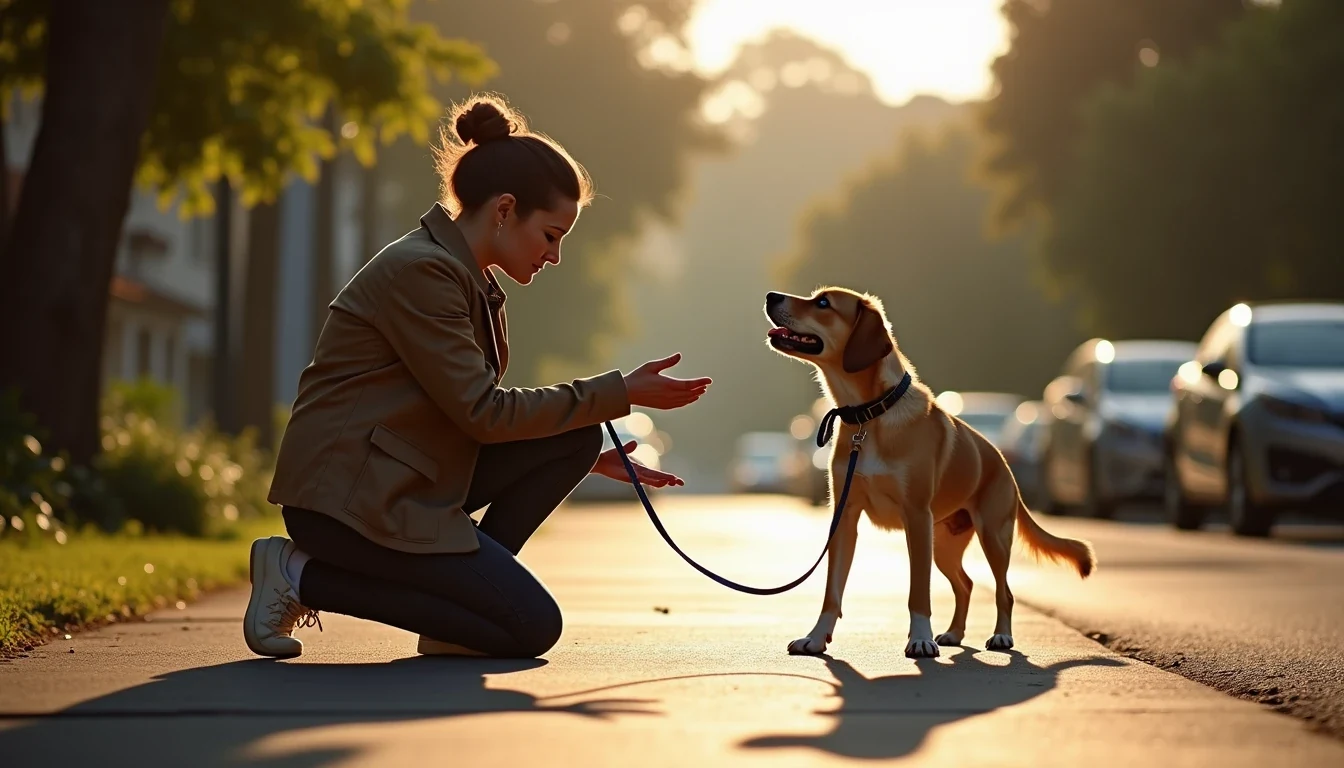
Your dog does not know that the pavement at 14:00 in Pretoria can hit 55°C. They trust you to decide when the walk happens, and that trust kills dozens of pets every summer. The South African Weather Service regularly records summer temperatures above 35°C across Gauteng, Limpopo, and the Free State. KwaZulu-Natal and the Eastern Cape add crushing humidity, which turns a dog’s main cooling mechanism, panting, into wasted effort. What feels like a reasonable outing to you can become organ damage in under an hour.
When the Walk Becomes the Danger
The most common mistake is treating summer exercise as a scaled-down version of the same routine. It is a different situation. Asphalt and concrete absorb and store heat far above air temperature. When the thermometer reads 30°C, the road surface can sit at 50–60°C. At 55°C, a dog’s paw pads burn in roughly sixty seconds. The “seven-second test” is non-negotiable: hold the back of your hand on the pavement for seven seconds. If you pull away, your dog does not walk there.
Humidity compounds the problem in ways temperature alone does not. Coastal regions regularly hit 70–90% humidity, which saturates the air a dog is trying to exhale heat into. Panting becomes thermodynamically useless. The Western Cape’s dry heat deceives owners too; strong winds mask dehydration risk while the Karoo interior pushes past 40°C. Each region demands its own schedule, not a single national rule.
Regional Walking Schedules That Actually Work
Inland heat is the most straightforward enemy. Gauteng and Limpopo summers punish the midday hours without mercy. Walk before 07:30 or after 19:00. Check the SAWS forecast the night before and treat afternoon thunderstorm warnings as extra humidity alerts, not cooling relief. Carry more water than you think necessary and route through tree cover, not open parkland.
Coastal humidity requires earlier starts. In Durban or Port Elizabeth, the air holds heat into the evening. First light, around 05:30–06:30, is your safest window. Evening walks after 19:30 remain sticky and dangerous. Beach proximity helps only if sea breezes are actually moving; stagnant humid air near the water is often worse than inland shade. Keep these walks short and slow. No ball chasing, no jogging alongside a bicycle.
The Western Cape splits into two problems. Cape Town’s Atlantic seaboard feels cooler than it is because of dry wind, and dehydration sneaks up. Inland Boland and Karoo areas face brutal, still heat that peaks later in the day than Gauteng. Here 08:00 can already be too late for vulnerable dogs. Evening walks after 19:30 work better, but carry water and watch for wind-chill deception; your dog is still losing moisture rapidly.
Dogs Who Should Not Be Out There at All
Some dogs should skip summer walks entirely and exercise indoors or in climate-controlled spaces. Brachycephalic breeds like Pugs, Bulldogs, Boxers, Shih Tzus, and Boston Terriers cannot move sufficient air through shortened airways to cool themselves effectively. Their anatomy is a structural emergency waiting for heat to trigger it.
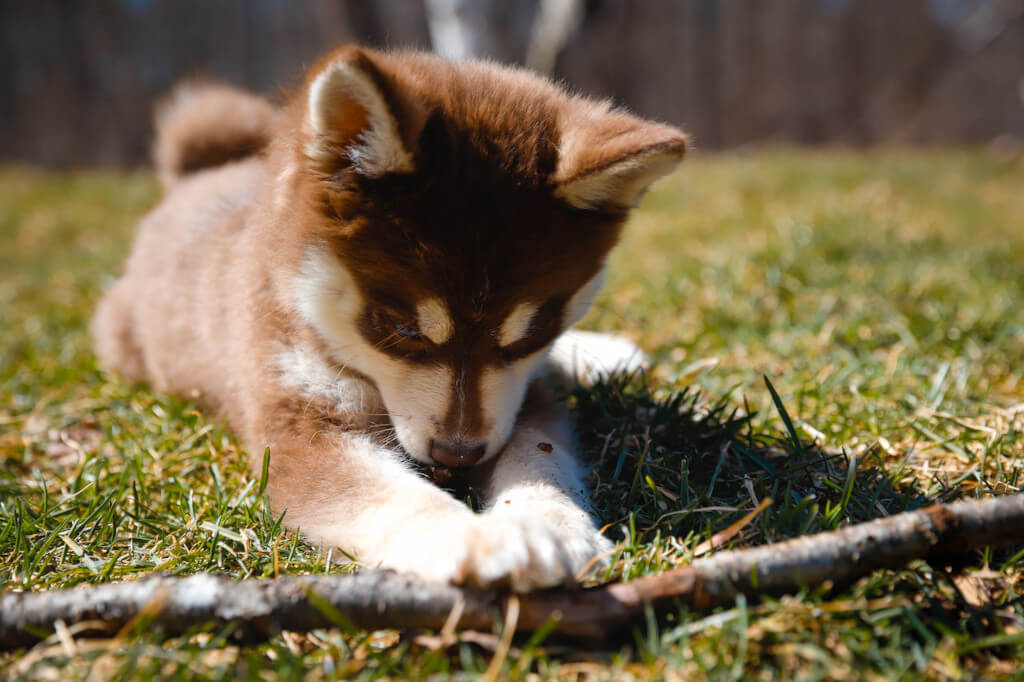
Elderly dogs suffer reduced cardiovascular and thermoregulatory function. Overweight dogs carry insulating fat that traps metabolic heat and forces harder exertion for basic movement. Heavily coated breeds like Huskies, Malamutes, Samoyeds, Bernese Mountain Dogs, and Chow Chows wear coats evolved for Arctic survival, not a Johannesburg January. Puppies lack mature cooling systems. Any dog with heart, respiratory, kidney, or neurological disease belongs in the highest risk category.
Parked vehicles deserve their own warning. Even with windows partly open, interior temperatures climb to lethal levels within minutes. The brief stop at the shop is not brief enough.
Warning Signs That Demand a Vet, Not Your Garden Hose
Heat stress escalates to heatstroke faster than most owners recognise. The window for effective intervention is narrow, and home treatment delays the professional care that saves lives.
Watch for panting that is heavier, faster, or more laboured than normal, continuing even after rest stops. Gums that shift from healthy pink to bright red signal early heat stress. Dark red, bluish, or purple gums indicate circulatory collapse and oxygen deprivation. Saliva turns thick, ropey, and foamy. Vomiting or diarrhoea, especially with blood, points to gastrointestinal breakdown from core temperature damage.
Neurological signs are critical. Wobbliness, disorientation, stumbling, or any loss of coordination means the brain is overheating. Collapse, seizures, or unconsciousness are end-stage emergencies. A rectal temperature above 40°C confirms heatstroke if you can safely measure it, but do not waste time hunting for a thermometer if the behavioural signs are present.
These symptoms require immediate veterinary transport. Cooling attempts at home, however well-intentioned, risk shock, rebound hypothermia, or simply burning minutes that the dog’s kidneys and brain do not have. Call ahead so the practice prepares emergency protocols. Your role is recognition and rapid transport, not treatment.
The Practical Checklist
- Check the SAWS forecast and plan tomorrow’s walk time tonight.
- Seven-second pavement test before every outing.
- Water and portable bowl, every walk, every region.
- Shaded routes only; no open fields or reflective surfaces.
- Flat-faced, old, overweight, thick-coated, or ill dogs: indoor exercise only when temperatures exceed 28°C.
- Never in parked cars, even briefly, even with windows cracked.
- At the first sign of abnormal panting, gum colour change, or coordination loss: straight to the vet, no home interventions.
Summer dog ownership in this country is not about cutting walks slightly shorter. It is about understanding that your routine from May does not apply in December. Humidity cancels the safety margin temperature alone suggests. Your dog’s enthusiasm to follow you is not a reliable gauge of safety. They will walk until they collapse. Your job is to stop before they get there.