You drop your dog off looking like a dust mop and collect them four hours later, fluffy and fragrant. What happened in between is a black box. Most owners never ask what that box contains, and that is how a stressed, overheated, or roughly handled pet gets handed back with a bow and a smile. The right groomer treats emotional safety as seriously as coat condition. Since you cannot stand in the room, your only tool is the questions you ask before you hand over the lead.
What Training and Handling Actually Look Like
A groomer’s certificate on the wall means nothing if you do not know what it covers or whether the person holding your spaniel has one too. Ask directly what formal qualifications the staff hold, whether from a South African grooming school or an international body like City & Guilds. Then narrow the lens: how many Poodles, Siberian Huskies, or Dachshunds have they finished this month, and what specific handling adjustments do they make for that breed?
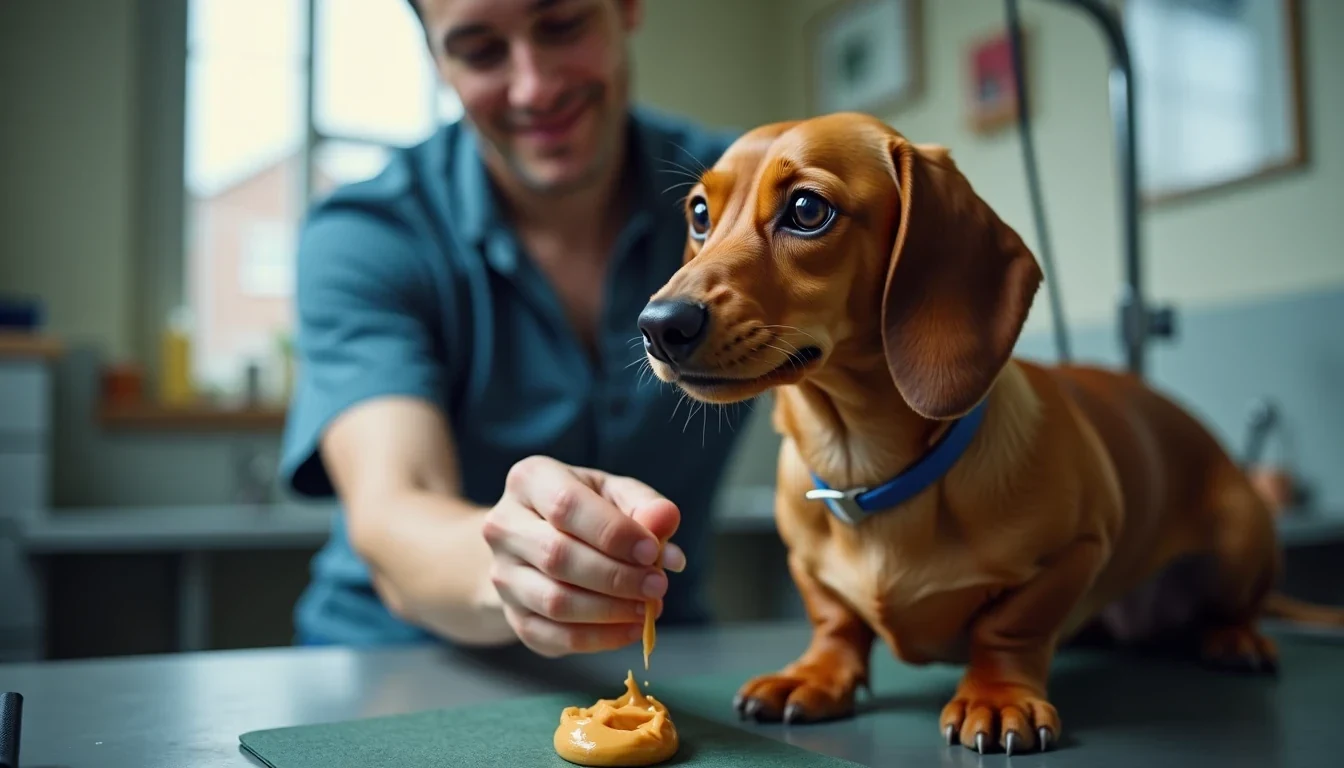
For anxious dogs, the answer you want is specific. “We use positive reinforcement” is a platitude until someone describes the lick mat smeared with peanut butter, the breaks between clipper passes, or the Thundershirt kept in the drying cupboard. Ask about their staff-to-dog ratio during busy periods. One person juggling four tables is a very different scene from two people managing three dogs with staggered appointments. Muzzle use is another revealing topic. A groomer who reaches for a fabric loop as a first resort is not the same as one who conditions dogs to a basket muzzle beforehand and reserves it for genuine safety moments. Finally, ask whether they conduct a pre-groom temperament assessment. A business that sizes up your dog before starting the clippers has thought about what could go wrong.
Drying Methods That Won’t Cook or Deafen Your Dog
The cut is only part of the appointment. Drying is where most grooming injuries and trauma occur, and it is the stage owners ask about least.
Cage dryers, even modern ones with temperature dials, carry real risk when a dog is left unsupervised. Brachycephalic breeds like Pugs and Bulldogs overheat fast, and a cage with warm air blasting from below turns dangerous quickly. Hand drying with a high-velocity dryer is generally safer but brings its own problems. These machines run loud enough to damage canine hearing, which is already more sensitive than ours. Ask whether the salon uses ear protection such as Happy Hoodies or thick snoods, and whether the groomer monitors the dog continuously rather than stepping out to answer the phone.
Temperature settings should be specific and conservative, not “warm enough to get the job done.” The room itself should be climate-controlled, not a corrugated-iron box in a Pretoria summer. Anxious dogs need breaks, water, and the option to finish air-drying if the noise becomes too much. A groomer who cannot describe their protocol for a panting, drooling, or escape-attempting dog during drying has not had to stop mid-session, or has, and did not learn.
Incident Readiness and Vaccination Rules
A professional salon operates like any other business that handles living creatures: it prevents what it can and plans for what it cannot.
Vaccination requirements should be strict and verifiable. Rabies vaccination is mandatory under the Rabies Act of 1972, and any groomer who waives it is cutting a corner that could kill. Distemper, parvovirus, and hepatitis (usually combined as DHPPi) should also be current, with kennel cough coverage strongly encouraged. Ask how they handle a flea-ridden arrival. The answer should involve refusing service or isolating the animal, not a shrug and a quick brush-through.
Staff should hold current canine first aid and CPR qualifications, with a kit visible and accessible. More importantly, ask which 24-hour veterinary practice they use for emergencies. “We have a vet nearby” is insufficient. You want a name, a suburb, and a transport plan. The same specificity applies to incident reporting. A nick from a clipper blade or a stress-related digestive upset should trigger immediate owner notification, not a hopeful silence until collection. If a dog shows signs of illness during the appointment, there must be an isolation protocol to protect every other animal in the facility.
When Matting Means the Clippers, Not the Brush
Severe matting is not a grooming challenge to overcome with patience and a slicker brush. It is a welfare decision. When fur felts tight to the skin, pulling it apart causes bruising, skin tearing, and hematomas. Under the Animal Protection Act of 1962, inflicting that pain is unlawful.
A responsible groomer will explain this plainly. They will show you where the matting restricts movement, traps moisture against the skin, or hides parasites and infection. They will recommend a full clip, perhaps with a surgical blade if the matting is extreme, and they will not apologise for prioritising your dog’s skin over your aesthetic preference. The conversation should include aftercare, sun protection for the newly exposed skin, and a realistic discussion about how the coat reached that state and what brushing schedule prevents a repeat.
Signs That Warrant a Follow-Up
Your dog cannot file a complaint. You must read their body instead.
Limping, excessive licking at a specific spot, or flinching when touched suggests a clipper nick, a pulled muscle from restraint, or a mat that was torn rather than clipped. Behavioural changes are equally telling. A normally social dog that hides for 24 hours after grooming, or a confident dog that startles at the sound of a hairdryer for weeks afterward, has stored a traumatic association. Physical signs of heat stress, persistent panting, or lethargy after collection may indicate overheating during drying. Redness, discharge, or an unpleasant odour from the ears can follow improper ear cleaning or water trapped during bathing.
Contact the groomer first for clarification. A professional will explain what happened and offer to cover veterinary costs if they were at fault. If the groomer is evasive, or if the symptoms are severe, bypass them and go straight to your vet. Bring your documentation of the appointment time, the services booked, and any photographs of the injury. The groomer you want is the one who would rather you asked these questions than stayed quiet and found another salon.