Your dog trusts you to make the call about hot pavement. At 10 am, the pavement can hit 62°C while the air still feels manageable. In summer, that trust gets tested harder than most owners realize. The South African Weather Service regularly records conditions that turn an ordinary walk into an emergency vet visit. The advice you need changes depending on whether you are sweating through humidity in Durban, baking in dry Joburg heat, or dealing with a deceptive Cape wind that masks the actual temperature.
Know Your Region’s Trap
Inland summers in Gauteng and the Free State push past 35°C with low humidity, so owners underestimate the risk. The dryness accelerates dehydration, and surfaces absorb heat all morning. A 25°C day sends asphalt to 52°C; by 30°C ambient, you are looking at 62°C under paw. The seven-second hand test still works here, but only if you use it before the walk starts, not halfway round the block when your dog is already lifting feet.
Coastal KwaZulu-Natal and the Eastern Cape present a different problem. Temperatures sit lower, typically 25–30°C, but humidity pushes past 70% and cripples the one cooling system dogs have. Panting works by evaporating moisture from the tongue and airway. Saturated air stalls that process completely. Your dog pants harder, gets less relief, and overheats while you are still wondering why they seem so flat.
The Western Cape’s dry, windy summers fool people most consistently. Cape Town and the Winelands can spike past 40°C in heatwaves. The wind on your skin feels like natural air conditioning, but it is not. Dogs do not benefit from that evaporative cooling the same way humans do, and the wind masks rising ambient temperature until the dog is already in trouble. Check the actual forecast, not your own comfort.
Who Cannot Handle the Margin of Error
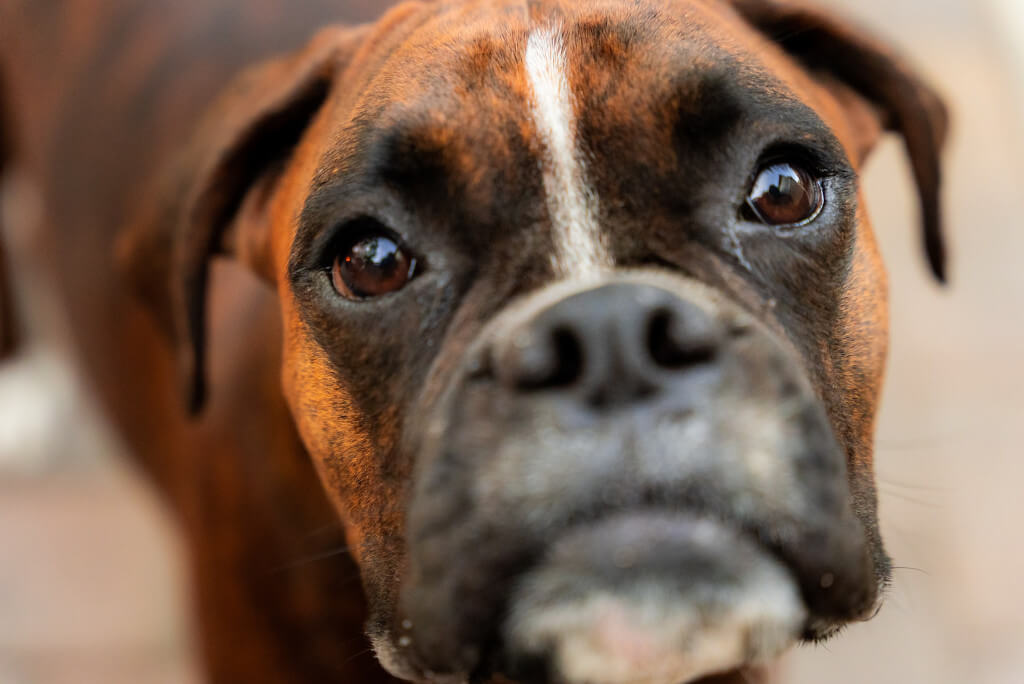
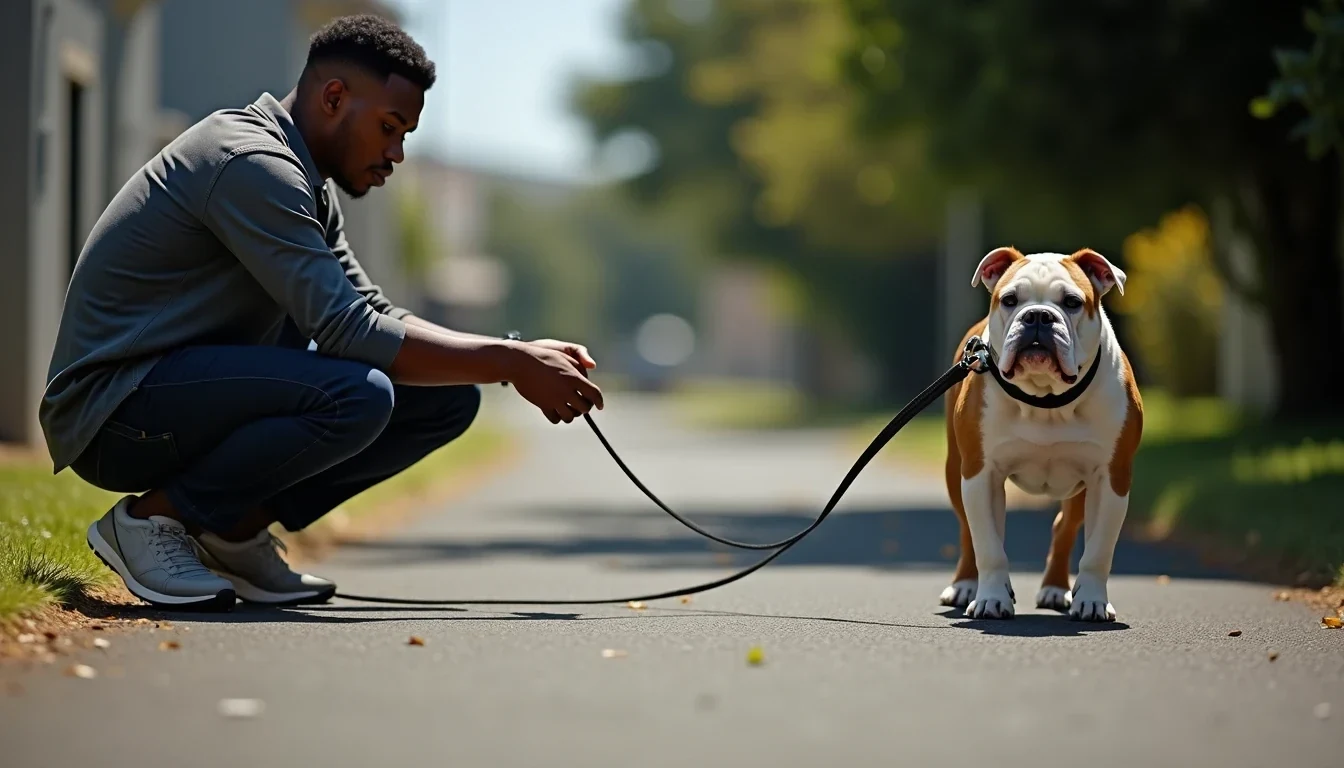
Some dogs start closer to danger than others, and summer leaves no room for optimistic guessing. Brachycephalic breeds like Pugs, Bulldogs, Boxers, Boston Terriers, Shih Tzus, and Pekingese labor inefficiently at the best of times. Their shortened muzzles and compromised airways make panting a struggle, and panting is their entire thermoregulation strategy. An overweight Bulldog on a humid Durban morning is a veterinary emergency waiting to happen.
Elderly dogs, regardless of breed, often run with undiagnosed heart or kidney compromise that collapses under heat load. Excess body fat insulates and traps heat in overweight dogs. Thick-coated breeds like Huskies, Malamutes, Samoyeds, Bernese Mountain Dogs, and Chow Chows carry insulation designed for arctic conditions. Dark coats absorb more radiant heat than light ones. Any combination of these factors—old, fat, flat-faced, thick-coated—stacks the deck further against the dog.
The Car Is a Furnace, Not an Option
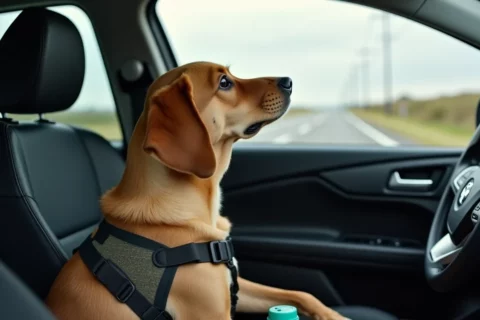
Parked vehicles kill dogs fast. The timeline should shame anyone who still thinks cracking a window helps. At 25°C outside, a car interior hits 34°C in ten minutes and 43°C in thirty. In typical South African summer temperatures of 30–35°C, the inside exceeds 50°C in under ten minutes and reaches 60°C within half an hour. A 5cm gap in the window changes almost nothing. The law recognizes this under the Animals Protection Act 71 of 1962; leaving a dog in those conditions constitutes cruelty, and bystanders are entitled to intervene. The practical message is simpler: take the dog with you into the shop, or leave them home. There is no third option that ends well.
Read the Warning Signs Before They Escalate
Early heat stress announces itself if you know what to watch for: excessive or noisy panting beyond normal exercise levels, dark red or bright pink gums, profuse drooling, elevated heart rate, restlessness, seeking shade, glazed eyes. These are your window to act.
Progression to heatstroke brings vomiting, diarrhea that may include blood, lethargy, stumbling or incoordination, collapse, seizures, muscle tremors, and blue or purple gums from oxygen deprivation. Unconsciousness follows. Normal canine body temperature sits between 38.3°C and 39.2°C. Organ damage becomes irreversible around 41°C.
If you see early signs, move the dog to shade or air conditioning immediately. Apply cool, not ice-cold, water liberally to the armpits, groin, belly, and paw pads. Wet towels or a gentle hose setting work. Offer small amounts of cool water to drink if the dog is conscious and swallowing, but do not force it. Then get to a vet without delay, continuing cooling in transit and alerting the clinic en route so they prepare for immediate intervention. Do not attempt to manage this at home. Cooling buys time; it does not replace professional care.
Build a Summer Walking Plan That Actually Works
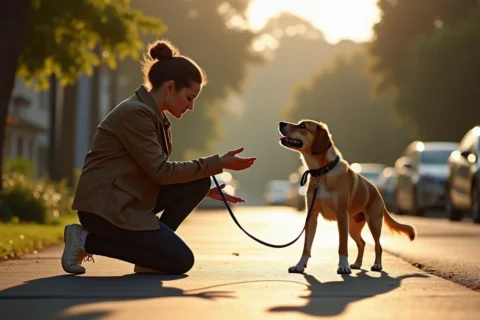
Shift walks to before 7 am or after 7 pm in inland and Western Cape regions, and treat coastal humidity with equal caution even at those margins. Choose grass or shaded routes over asphalt. Carry water, because natural sources may be scarce or contaminated. Keep walks shorter than usual, and watch your specific dog more closely than any general guideline. The breed, age, weight, and coat that make your dog who they are also determine exactly where their limit sits.