Your dog does not need to be scared into behaving. If the only way a dog learns is by bracing for a shout, a leash snap, or a physical correction, you are not training. You are teaching the dog to avoid you.
Kind discipline works better because it tells the dog what pays. Calm behaviour gets attention, food, play, or another reward. Repeating that pattern builds habits that hold up in real life, whether you are dealing with a puppy in a flat, a boisterous rescue in a townhouse, or a family dog that loses its manners when visitors arrive.
Why harsh correction backfires
Punishment can stop a behaviour fast, but that is not the same as teaching a better one. A dog that is yelled at for barking may go quiet for a moment, then learn to bark only when nobody is looking. A dog that is yanked on a collar may stop pulling because the walk now feels unpleasant, not because loose lead walking makes sense.
Fear makes some dogs shut down. Others get jumpy, reactive, or defensive. The relationship changes too. Once your dog starts reading you as unpredictable, training gets harder, not easier.
Groups such as the South African SPCA and the SA Guide-Dogs Association back force-free methods. They are kinder, and they give you cleaner behaviour in the long run.
Teach the behaviour you want
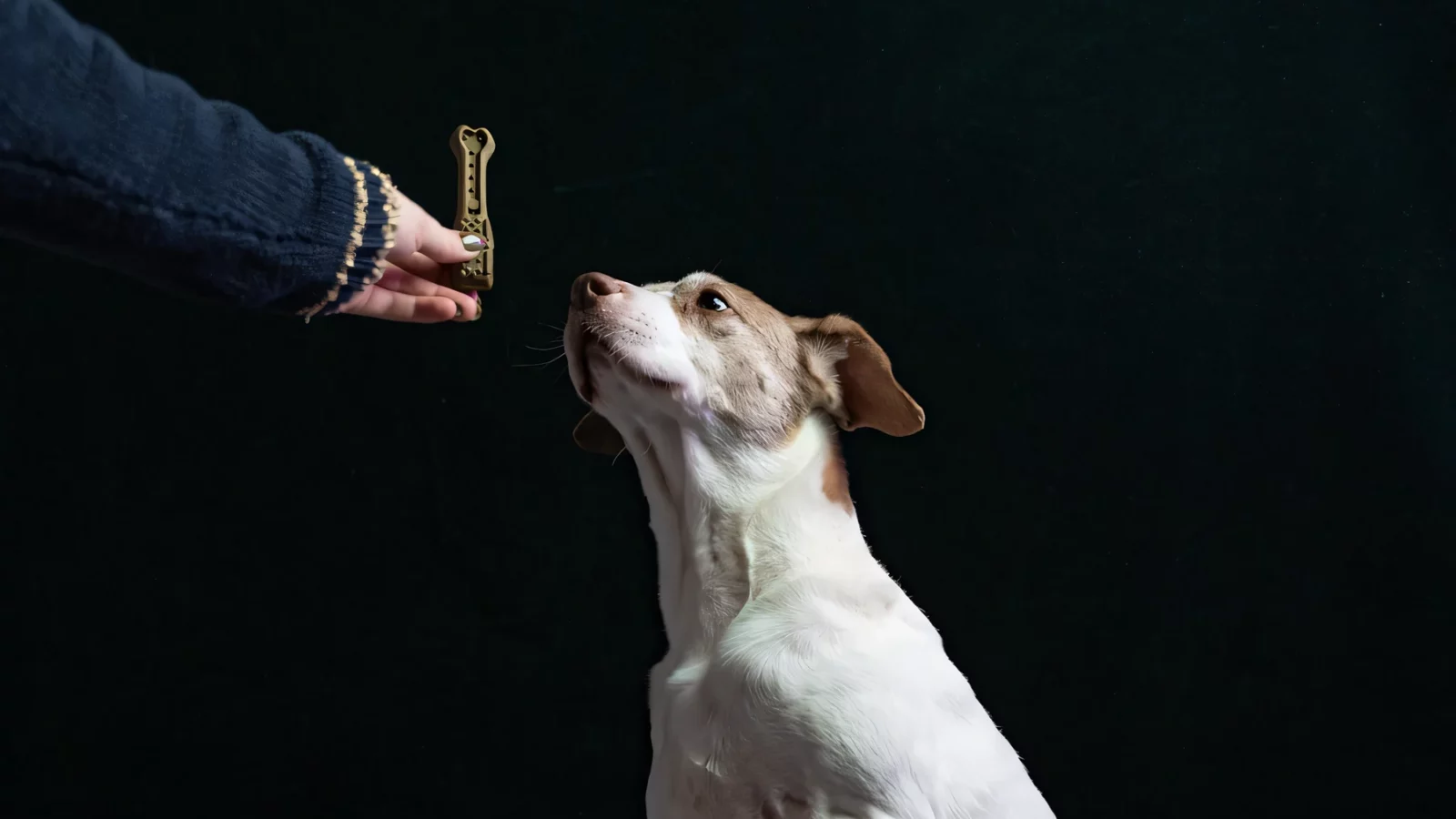
Good discipline starts with a simple rule: reward the action you want repeated.
If your dog jumps on guests, do not shove them off. Turn away, keep greetings boring, and reward all four paws on the floor. If the dog sits, the visitor can give attention. The lesson is clear: calm body language earns access.
If chewing is the problem, do not spend your day chasing the dog around the lounge. Put the right chew in reach before the dog finds the couch leg, then praise the moment they choose it. You are steering the habit, not just reacting to damage.
If a dog bolts at the gate and barks at everything passing by, reward quiet moments and use a cue such as “look at me” to bring focus back to you. A puzzle feeder indoors can also help drain some of that restless energy.
Tools that help
- High-value treats for new skills, such as tiny pieces of biltong, cooked chicken, or cheese
- A clicker, which marks the exact instant the dog gets it right
- A neutral marker like “oops” or “ah-ah” to say the current choice will not earn a reward
- Baby gates, closed doors, or secure bins to stop the dog rehearsing the wrong habit
- A front-clip harness or head halter for dogs that drag on leash
South African homes need practical rewards
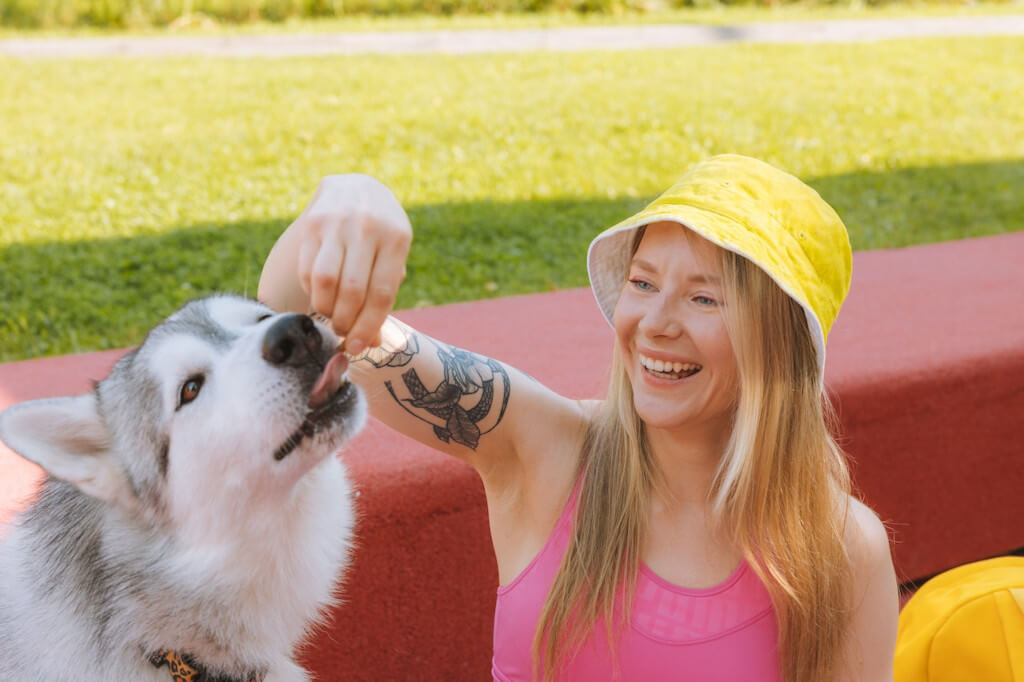
You do not need fancy imported snacks to train well. Many dogs work hard for something small and tasty, and a sliver of biltong or plain cooked chicken can beat a bag of pricey treats that your dog ignores after three seconds. Keep pieces tiny so you can reward often without overfeeding.
Metric units make this easier to manage. If you are training a puppy, a short five-minute session before breakfast and another before supper is plenty. If you are using treats throughout the day, factor that into the dog’s total food intake, especially for dogs that already carry extra weight.
Consistency matters here too. If one person in the house rewards jumping and another scolds it, your dog will keep testing the system. Everyone needs to use the same cue, the same reward, and the same rule.
Common behaviour problems you can shape kindly
Leash pulling is often excitement, not defiance. Stop the walk the second the lead tightens, then move again when the lead slackens. The dog learns that dragging gets them nowhere.
Jumping is usually attention seeking. Turn your body away and wait for calm. Greet the dog only when they choose four feet on the floor or a sit.
Excessive barking usually has a job attached to it. The dog may want attention, may be bored, or may be guarding the property. Block some of the triggers if you can, then reward quiet. A settled dog in a calmer space learns faster than a dog that is always staring at the street.
Counter-surfing is less a personality flaw than an access problem. If food is left within reach, most dogs will try it. Keep counters clear, use a gate if needed, and teach “leave it” or “go to your mat” before the kitchen becomes a free buffet.
For fear around thunder, start low and slow. Let the dog hear a faint recording or distant sound, pair it with something good, and stop before panic starts. The goal is not to flood the dog. It is to change what the sound predicts.
When to call in a pro
Some problems need more than home training.
Get help from a certified trainer or a veterinary behaviourist if your dog growls, snaps, or bites. Do the same for severe separation anxiety, panic during storms, self-harm, or a sudden change in temperament. If house-soiling starts after a period of success, a vet check comes first, because pain and illness can sit behind behaviour changes.
Look for professionals linked to bodies such as the Pet Professional Guild of South Africa or the Animal Behaviour Consultants of South Africa. If the case is complex, a veterinary behaviourist is the safer route.
The real payoff
Kind training gives you a dog that knows what earns a reward and a person the dog can trust. That relationship is easier to live with, easier to maintain, and usually more reliable in public, at home, and around guests.
A dog that learns without fear is easier to guide. You get fewer power struggles, clearer communication, and a pet that can settle into family life without carrying the tension that punishment leaves behind.