
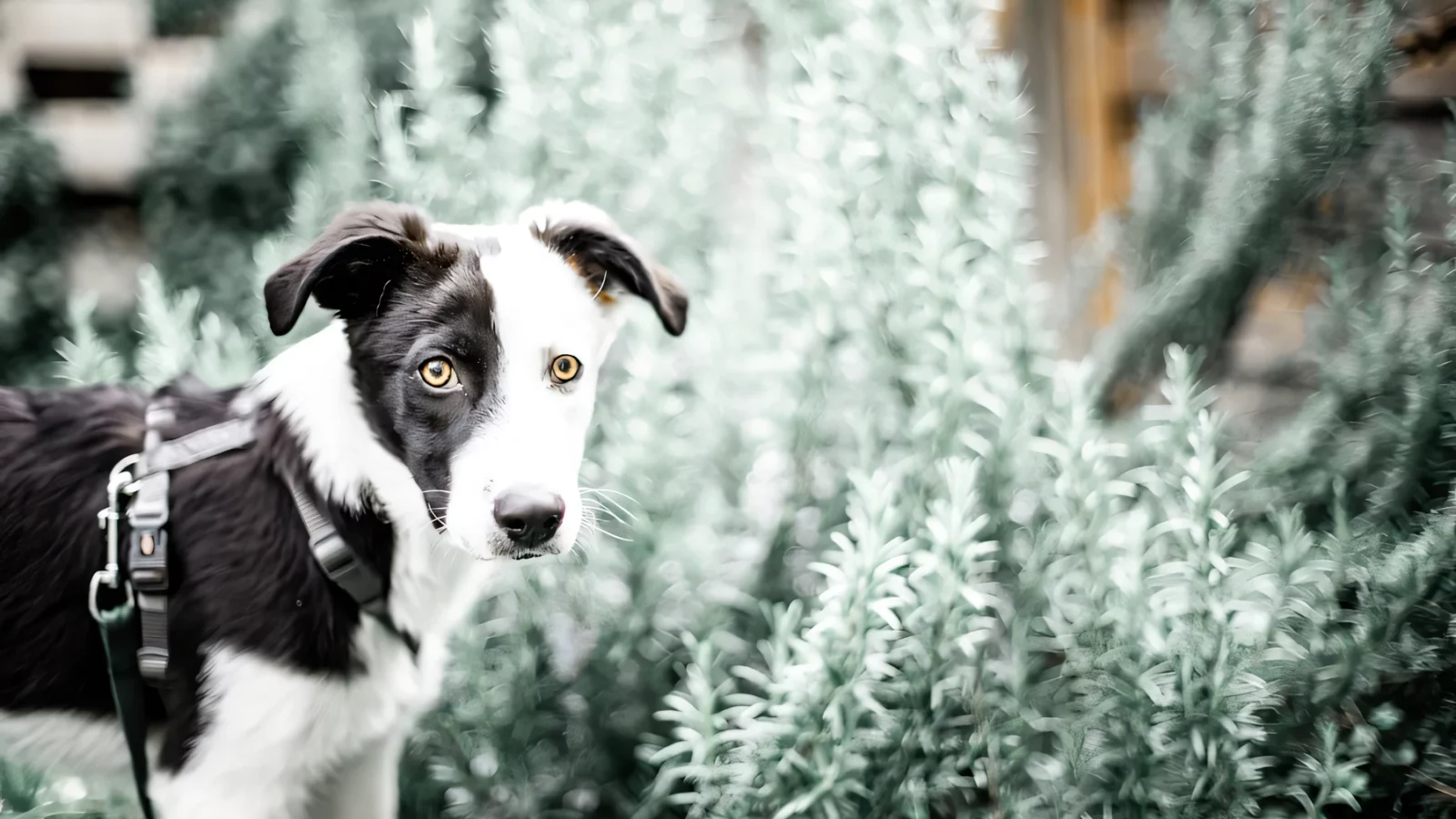
The first hour after a cat or dog vanishes is not for pacing the kitchen and hoping for the best. Move fast, stay organized, and treat the search like a short emergency window. Pets that bolt often stay close, hide hard, and miss chances to come home while owners are still busy panicking.
Random posts and half-hearted calls waste that window. A better response is simple: search the immediate area, alert the people who can actually spot the animal, and get the right details into the right systems before the trail cools.
The first ten minutes
Start where the pet was last seen. Check every room, cupboard, bed, bathroom, garage, storeroom, and outbuilding before you assume the pet got out. Cats especially can vanish into tiny spaces a human would skip. If a dog slipped out, inspect the gate, front door, back door, and any section of fence that could have been left open.
Call the pet by name from the spot where it was last seen. Use the sound it knows, whether that is a treat bag, a whistle, or the jingle of a leash clip. Keep the tone normal. A startled animal often ignores frantic shouting but responds to a familiar cue.
Then secure every exit you can. Close gates, doors, windows, and any route that could let the pet drift further away. Tell everyone in the house immediately so nobody duplicates the search or accidentally opens another exit.
Have three things ready before you move into wider searching: a leash or carrier, a few treats, and a recent clear photograph. That photo should show the face and markings properly, not a blurry holiday snap where the collar is the only visible feature.
The first hour
Expand the search beyond the property. Work a tight radius first, about two to three blocks from home, and look in places pets use for cover. Check under parked cars, in empty plots, behind bins, near construction sites, in hedges, and along quiet side streets. Carry a torch even in daylight, because dark gaps under vehicles and buildings hide animals fast.
Go door to door with a short description and your number. Neighbours who are told once often start noticing the pet in places you would never think to check, such as a garage, a wendy house, or a shaded patch of garden. Ask them to look inside their own outbuildings and keep gates closed.
Now phone local vets. Give the pet’s name, breed, colour, size, sex, any scars or odd markings, and the microchip number if you have it. Ask the practice to note the case and to call you if an animal matching that description comes in. Do the same with the nearest SPCA branch and AACL branch. If your area has a municipal pound or animal control office, contact that too.
Security groups can move information quickly. Let your neighbourhood watch, community policing forum, or private security provider know the pet is missing. Their patrols and WhatsApp channels often reach people faster than a public post does.
The alert you should post
A useful lost pet alert is short, specific, and easy to scan. Include the following:
- A recent photo
- Pet’s name
- Breed or type
- Gender
- Age and size
- Colour and clear distinguishing marks
- Last seen address, suburb, and time
- Microchip status and number if available
- Two safe contact numbers
Do not post your full home address publicly. Use a number that will be answered, and keep a second line ready if the main phone dies or gets busy.
Share the alert in local Facebook community groups, suburb WhatsApp groups, and dedicated lost pet platforms such as Lost Pets South Africa. Print a few posters straight away and place them at vet clinics, pet shops, community boards, and busy street corners near home. Lamination helps, but a clean, bold poster beats a fancy one every time.
Check the systems, not only the streets
Cape Town residents should register the missing pet on CityPetFinder and keep checking the found listings. That portal centralizes reports instead of leaving owners to chase isolated posts. In other cities, use the local SPCA, AACL, municipal animal control, or pound records in the same way.
Do not file one report and wait. Call back daily. New animals arrive constantly, and a found pet can sit in one database for hours before its owner hears about it. If your pet is microchipped, make sure the chip details are current with the registry linked to the chip, such as Virbac BackHome or Identipet. A chip only helps if the contact details are right.
Watch for scams
Desperation makes people easy to trap. Anyone who says they have your pet and wants money first should be treated with caution. So should anyone asking for a transport fee or an upfront reward before showing proof.
Ask for a photo or video that includes a unique detail you request. If possible, meet in a public place and bring someone with you. A microchip scan is better still. If a person starts threatening to keep the pet unless you pay, or claims they will harm the animal, report it to SAPS.
The first day
If the pet is still missing after several hours, widen the search to a one to two kilometre radius, especially at dawn and dusk. Walk quiet streets, parks, open ground, and drainage lines. Place familiar bedding or a worn T-shirt outside near the last known spot. For cats, a litter tray can help with scent. Call the vet, SPCA, AACL, pound, and local groups again before the day ends.
Speak to delivery drivers, refuse collectors, and post office staff who cover the area daily. They notice movement others miss. Keep updating your posts and keep checking the found sections everywhere you have already reported. The work is repetitive for a reason. Lost pets turn up when the owner keeps showing up too.